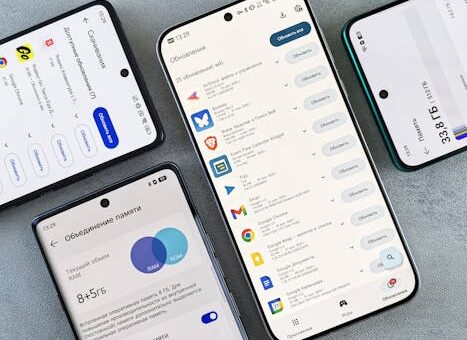
New advancements in smart technologies are reshaping how people live and interact, driving demand for innovation and efficiency across the United States.
As more industries adopt smart solutions, challenges can emerge for businesses and individuals adjusting to change or comparing options while seeking trustworthy results and dependable integration.
A large misconception is that smart technologies replace people completely, yet in reality, they tend to augment existing skills rather than removing the human element from the equation.
This article unveils seven fast-growing smart technology trends, practical applications, real data, and actionable tips so readers can confidently benefit from the latest digital transformation.
AI-Powered Tools: Transforming Everyday Work
Artificial intelligence (AI) tools are being deployed in workplaces to automate routine tasks, analyze big data, and improve productivity. Businesses increasingly rely on these systems for insights.
The expansion of AI is accelerating because it delivers faster, more accurate results than traditional methods, empowering teams to accomplish more without significant increases in labor.
However, some organizations struggle to define clear objectives for AI integration, which can limit results and create friction if not carefully managed from the start.
Successful adoption usually involves establishing well-defined goals, selecting the right AI vendor, and reviewing progress regularly to ensure alignment with company priorities.
The impact of AI in healthcare, finance, and logistics is particularly impressive. Smart technologies, when introduced thoughtfully, yield real operational benefits in these sectors.
Smart Homes: Convenience and Security Intertwined
With affordable entry points and wide device compatibility, smart homes are rapidly gaining popularity across the US for comfort, energy savings, and round-the-clock monitoring.
Connected devices such as smart thermostats, lighting, and voice assistants let users control home environments via smartphone apps or automated routines, boosting convenience daily.
Security systems are now smarter, using sensors, cameras, and AI-based alerts to detect unusual activity, reduce false alarms, and keep families safe even when they are away.
One friction point is fragmented platforms with incompatible standards, but new protocols are helping unite devices and streamline the smart home experience for everyone.
When setting up a new system, research compatibility and security settings. Disabling unused features reduces risk, while two-factor authentication adds a vital layer of protection.
Wearable Technology: Tracking Wellness Better Than Ever
Wearables like fitness trackers and smartwatches use sensors and software to track daily activity, monitor biometrics, and provide personalized coaching, making healthy living more achievable.
Step counters, heart rate monitors, and sleep trackers appeal to a broad audience, offering actionable insights and health nudges to support users at any fitness level or goal.
Healthcare professionals increasingly incorporate data from wearables into patient records, improving diagnosis and chronic disease management thanks to real-time monitoring and early warnings.
Some critics argue wearables may encourage obsessive tracking, but most users see results when focusing on holistic wellness instead of numbers alone. Moderation and context are key.
If motivation dips, joining app-based challenges or teaming up with friends can re-engage users. Consistency is more impactful than perfection when it comes to smart technologies for health.
5G Networks: Supercharging Connectivity Nationwide
The rollout of nationwide 5G is fueling smart technologies by dramatically increasing data speeds, lowering latency, and enabling seamless streaming or interactive applications across all devices.
5G supports remote work, telehealth, gaming, and smart cities by connecting millions of sensors and devices simultaneously, without congestion or delays typically found on older networks.
One challenge has been ensuring consistent coverage outside major urban areas, but investment in infrastructure is shrinking gaps and bringing benefits to rural and suburban communities.
Consumers should confirm device compatibility and review data plans before upgrading, as higher-speed connections can drive up data consumption if left unchecked.
The future of smart technologies hinges on the reliability of 5G, making it a foundational element for ongoing innovations in every sector of modern life.
Autonomous Vehicles: Changing Transportation Faster
Autonomous vehicles use sensors, advanced algorithms, and AI to navigate roads and highways safely, reducing human error and creating new standards for transportation in the US.
Pilot programs in delivery, ride-sharing, and trucking are expanding, with major industry players investing in testing, certification, and real-world data collection for safer deployments.
Roadblocks include regulatory hurdles, ethical considerations, and public acceptance. Transparent testing and rigorous safety standards increase trust as smart technologies redefine modern mobility.
Companies tailor messaging and educational outreach to inform passengers and local governments, smoothing adoption while highlighting improved safety and reduced emissions.
Over time, autonomous vehicles may reshape urban planning, reduce accident rates, and offer accessible transportation options for people otherwise underserved by traditional infrastructure.
Smart Manufacturing: Automation Leads the Charge
Manufacturers are leveraging smart technologies like robotics, the Industrial Internet of Things (IIoT), and real-time analytics to boost efficiency, reduce costs, and improve product quality at scale.
Smart factories empower operators to monitor equipment health, predict failures before downtime occurs, and implement preventative maintenance, extending asset lifespan and saving millions annually.
Adoption sometimes lags due to legacy systems or workforce training gaps, but ongoing investments in upskilling programs are helping employees adapt and thrive in automated environments.
Collaboration between humans and machines boosts performance, with cobots safely working side by side with employees to complete repetitive or hazardous tasks accurately.
Smart manufacturing ensures US businesses remain competitive globally while meeting strict product and safety standards required by customers and regulators alike.
| Technology | Main Benefit | Adoption Speed |
|---|---|---|
| AI-powered Tools | Greater productivity | Very Fast |
| Smart Home Devices | Convenience, security | Fast |
| Wearable Tech | Health tracking | Fast |
| 5G Networks | Superfast connectivity | Accelerating |
| Autonomous Vehicles | Safer transport | Moderate |
| Smart Manufacturing | Cost savings, quality | Fast |
| EdTech Platforms | Personalized learning | Accelerating |
Educational Technology: Smart Learning for All Ages
EdTech platforms incorporate smart technologies to personalize curricula, making learning more engaging and adaptive for students from elementary age through higher education and professional training.
Features like AI-based assessments, interactive tutorials, and real-time feedback help teachers target support, while students gain autonomy over learning pace, focus areas, and progress tracking.
Remote learning during recent years accelerated development and adoption, and today, most US schools are integrating digital solutions to bridge gaps and prepare learners for digital careers.
A key challenge is ensuring accessibility for underserved communities. Partnerships between public organizations and private firms provide affordable devices, high-speed internet, and teacher training.
The result is a more resilient, inclusive education system where personalized smart technologies unlock talent and opportunity on a national scale.
- Smart technologies enable automation of routine and administrative tasks in both education and business, freeing up human time for creative or value-added activities.
- Interconnected devices in homes and workplaces improve efficiency, comfort, and energy savings through proactive monitoring, alerts, and data-driven optimization tools.
- Modern security systems use AI and sensors to detect threats before incidents occur, improving safety for individuals and communities across a wide range of environments.
- Wearables and health apps foster long-term wellness by motivating users with real-time feedback and collaborative features to sustain healthy habits and achieve milestones.
- Continuous advances in connectivity, such as 5G and IIoT, are creating new opportunities in remote work, logistics, and advanced manufacturing for businesses of all sizes.
Conclusion
AI-powered tools, smart homes, wearables, 5G, autonomous vehicles, advanced manufacturing, and EdTech now define the smart technologies landscape energizing American progress.
Following a deliberate process drives successful adoption. Start with clear objectives, choose compatible products, train users, and maintain ongoing evaluation for improvements.
Fragmented platforms or lack of training can sabotage results. Avoid hidden pitfalls by prioritizing integration, compatibility, and ongoing education throughout any smart technology rollout.
Start applying one smart technology today. Monitor progress, adjust as needed, and stay updated with advancements to realize measurable benefits in your personal or professional life.