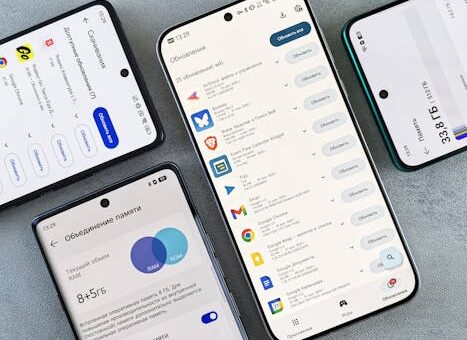
Staying on top of tasks at the office can feel challenging. The right set of tools brings focus and helps you achieve better productivity at work. Each day, workers look for ways to beat distractions.
Without digital support, it is easy to overlook priorities. Confusing communication tools and scattered workflow apps complicate team progress. The race is on to reclaim wasted hours and boost efficiency.
Some believe a new app solves every problem, but too many tools create confusion, not clarity. Jumping between platforms raises stress and makes finishing tasks harder, not easier.
This guide uncovers the best apps for improving productivity at work. You will discover practical steps, must-have features, and clear scripts for smoother workflows and consistent results.
Why Employees Stick with Certain Productivity Apps
Effective apps do more than organize tasks – they foster positive work habits. Consistency flourishes when teams find tools that reduce confusion and make daily routines seamless.
A reliable app eliminates busywork, bringing focus to what truly matters. Users return to trusted apps because these tools help them build momentum and track progress with minimal friction.
Habit-Building Features That Retain Users
Apps with built-in reminders and daily checklists keep employees engaged. This creates structure, setting the stage for productivity at work to improve without feeling forced or intrusive.
Curiously, systems that prompt micro-breaks boost outcomes more than those demanding endless hustle. People perform better when tools recommend rest and careful pacing alongside work sprints.
Failure to engage daily leads to falling behind. A user might skip logging tasks for a week, only to face a backlog that causes stress. Re-engagement hinges on a simple script: “Today, I will add one high priority task and mark it done. Tomorrow, repeat.”
Easy-to-use templates, visual progress bars, and encouraging notifications nudge users back. High retention results from apps lowering the mental barrier to rejoining, inviting another productive session.
Choosing Essential Productivity Tools
Key productivity at work apps include project managers, digital calendars, communication tools, and automation platforms. Each tackles a key friction point—such as miscommunication or inefficient scheduling.
Many people try several apps but rarely stick with one long-term. What people think works: more features and plugins. What actually works: fewer, well-integrated tools used consistently by all team members.
Begin by testing one digital calendar and a collaborative task manager. Invite teammates to experiment for a week, then compare feedback together. Prioritize ease of adoption over sheer feature count.
Reevaluate tools regularly based on feedback. Build a routine where app usage supports daily goals and collaboration, leading to sustainable productivity at work gains.
Kick Off with Smart Setups and Avoid Common Pitfalls
Building momentum starts with simple setups. Proper onboarding leads to smoother workflows and avoids overwhelm, so your team achieves measurable results early on.
Early mistakes like skipping onboarding or ignoring settings cause headaches later. A thoughtful initial setup lays the foundation for real progress and fewer avoidable setbacks.
Effective Onboarding for Productivity Apps
When installing new productivity at work software, let users customize permissions. Choose calendar integrations thoughtfully so your personal and team events don’t conflict.
Spend fifteen minutes with your first session: explore settings, adjust notification frequencies, and align task categories with your workflow. Invite your team to do the same, making it a shared experience.
Use the “test today, reflect tomorrow” approach for faster adaptation. Tweak notification volumes after your first session to prevent overload yet remain responsive to changes.
Avoid skipping tutorials or default setting reviews. Most problems arise when rushed users miss valuable configuration options. Pause and verify settings to prevent confusion down the line.
- Set your key working hours for accurate reminders and respectful team notifications. This helps everyone align and prevents unnecessary distractions, supporting smoother communication at every step.
- Create template responses in the communication tool for common situations. Save time with one-click answers and ensure everyone gets consistent messages during repetitive conversations or updates.
- Label and color-code your main project boards. Clear visuals help distinguish personal work from team goals, preventing assignment overlaps and making it easy to track progress at a glance.
- Agree on a naming convention for shared files and folders. Consistency here allows anyone to find important documents quickly and avoids duplicate copies that clutter your system.
- Review notification preferences together after your first day. Adjust as a team so only essential updates reach your group, reducing digital noise and boosting productivity at work.
If your team skips setup, confusion and duplicate tasks may result. To recover, pause to revisit onboarding steps as a group, clarify settings, and reset shared expectations.
Get Replies That Matter and Safeguard Your Data
Clear communication yields better responses. The best productivity at work apps streamline messaging while building safeguards for user privacy and data security.
Confident users know how to write effective status updates, ask targeted questions, and set boundaries. They balance openness with practical safety using the built-in tools of modern apps.
Create a Profile That Invites Useful Conversation
Crafting your app profile sets the tone for every interaction. Add a friendly but concise bio, a recent professional photo, and a regular working hours indicator.
Do not include irrelevant personal details. Share current role, major responsibilities, and preferred communication channels. Template: “Hi, I focus on X. Reach me 8-4 on weekdays for collaborative tasks.”
Open with two threads to spark engagement: one task-related message and one culture check-in. For example, “I just uploaded the project brief. Excited to hear your feedback,” and “What do you need to work at your best this week?”
Counterintuitively, using only one formal picture and concise bio encourages meaningful, work-centered exchanges, cutting through superficial chatter and focusing on results.
Privacy Settings and Staying Safe
Set apps to private by default. Adjust which projects and data are visible, keep location sharing off, and approve new connections before exchanging sensitive files with new team members.
Understand how to report or block users who violate boundaries. Most platforms include a simple, multi-step process to flag misconduct and protect your workspace without confrontation.
Copy-and-use script: “I’m here to discuss work and prefer not to share personal details. Let’s keep our collaboration focused on current tasks.” Use this to set polite boundaries.
Check privacy settings monthly. Review who can see updates, files, and comments. Limit access when team members leave or projects change, safeguarding your team’s shared success.
| App Name | Best For | Top Feature | Privacy Control |
|---|---|---|---|
| Trello | Task Boards | Visual Project Tracking | Custom Permission Levels |
| Slack | Team Communication | Channels & Direct Messages | Granular Channel Controls |
| Asana | Workflow Automation | Templates & Timelines | Role-Based Privacy |
| Notion | Document Management | All-in-One Workspace | Workspace Sharing Options |
| Zapier | Automation | App Integrations | Token-Based Access |
Explore Why Flexible Work Apps Are on the Rise in the UK
Flexible and remote work apps surge in popularity as UK firms adapt to changing employee expectations. Lifestyle improvements and daily autonomy drive the movement’s momentum.
Teams seek environments supporting personal well-being and efficiency. Digital apps that facilitate asynchronous work enable flexible hours, broadening job opportunities and supporting diverse life needs.
Main UK Drivers and Benefits
High urban living costs and long commutes have prompted both workers and companies to seek hybrid or remote options. This shift profoundly changes recruitment and workplace culture.
Top apps support key benefits: reducing stress, encouraging work-life balance, and unlocking broader applicant pools. Teams access new talent unbounded by strict location or rigid hours.
The misconception is that remote work hinders productivity at work. Data show when equipped with right apps, teams outperform traditional structures, achieving higher satisfaction and outcomes.
Counterintuitively, flexible apps foster deeper accountability. Output, not hours logged, drives real progress and contentment. Personalization and self-paced goals motivate employees long-term.
Roles in Demand: Find and Apply to Flexible Jobs
Tech, customer service, digital marketing, and operations roles are experiencing surges in flexible openings. Apps streamline discovery and simple application for each sector, driving broader recruitment.
Avoid confusion by standardizing application steps and leveraging digital platforms purpose-built for part-time or remote positions. Consistency improves candidate experience and reduces hiring friction.
How to Search and Apply Efficiently
Set job alerts focused on your skills and preferred hours. Use advanced filters to focus on part-time, remote, or specific flexible arrangements across leading job boards.
Tailor your CV for each position. Concise, keyword-rich summaries help hiring managers understand your capabilities fast, especially when assessed by pre-screening software.
Leverage in-app chat and live tutorials for application tracking. Request support when documents do not upload or clarification on interview timelines, committing to clear, proactive communication.
Check each platform’s security guidelines before uploading personal data. If unsure, use the platform’s help or chat tool to confirm where credentials are stored or shared.
Tailoring Your CV for Remote and Flexible Roles
Hiring panels focus on evidence of independence, remote collaboration, and adaptability. A tailored CV stands out by matching job needs to your demonstrated outcomes.
Success is not about listing every skill—focus on those most valued in flexible jobs, such as effective communication, time management, and problem-solving with minimal supervision.
CV Customization Table for Flexible Jobs
Use this table to highlight must-have attributes in your CV and ensure hiring managers see what matters for remote, part-time, and flexible-hour positions.
| Section | What to Emphasize | Sample Bullet Point |
|---|---|---|
| Summary | Flexibility and results orientation | “Thrives in remote and flexible teams, consistently meeting deadlines and goals.” |
| Skills | Communication, tech literacy, autonomy | “Proficient in Slack, Zoom, and Asana for remote collaboration and project management.” |
| Experience | Remote/part-time projects and achievements | “Boosted productivity at work by 30 percent in a distributed team environment.” |
| References | Remote-ready recommender | “Supervisor at Global Tech can verify my success with flexible schedules and virtual tasks.” |
UK Salary Guide for Flexible Roles
Salaries for flexible and remote jobs vary by industry. Knowing benchmarks helps applicants negotiate effectively and assess which apps best support their leads.
On average, remote tech support roles pay GBP 28,000 – 35,000 per year, while digital marketing positions earn GBP 35,000 – 45,000. Flexible admin roles average GBP 23,000 – 27,000.
- Tech Support: GBP 28,000 – 35,000, driven by 24/7 support demand and specialized platform knowledge needed for productivity at work in distributed teams.
- Digital Marketing: GBP 35,000 – 45,000, reflecting high demand for campaign managers who leverage automation and analytics in flexible schedules across multiple clients.
- Operations Coordinator: GBP 30,000 – 38,000, with focus on process improvement and workflow management in hybrid or fully remote setups, requiring strong digital literacy.
- Customer Service: GBP 25,000 – 32,000, favoring agents adept with chat, ticketing, and knowledge base apps for round-the-clock service in global organizations.
- Administration: GBP 23,000 – 27,000, suitable for candidates with sharp organizational skills, adaptable to a variety of workflow and communication platforms for seamless productivity at work.
Conclusion
Build routines around the apps that best support communication, project management, and personalized progress tracking. Prioritize security, clarity, and aligned team habits for the best productivity at work outcomes.
Following these structured steps ensures tools do not become distractions. Instead, apps function as invisible assistants, letting you and your team deliver consistent progress and results.
Rushing app setups or ignoring privacy controls disrupts momentum. To avoid this, dedicate time to configuration and regularly review habits for ongoing improvement.
Ready to take action? Choose two apps from this list, block time for onboarding, and invite a teammate to collaborate on a shared project this week for measurable productivity at work gains.